

low budget digital freelance skills to learn
Starting a digital freelance career does not require an expensive university degree or costly training bootcamps. The modern digital economy prioritizes practical abilities, consistent output quality, and reliability over formal credentials. Many small businesses and agencies actively search for freelancers who can handle specific daily operational tasks efficiently.
If you have a computer, an internet connection, and the discipline to practice, you can acquire marketable digital skills using completely free online resources. By focusing on essential business services, you can build a sustainable freelance income stream with zero upfront financial investment.
1. Content Proofreading and Structural Editing
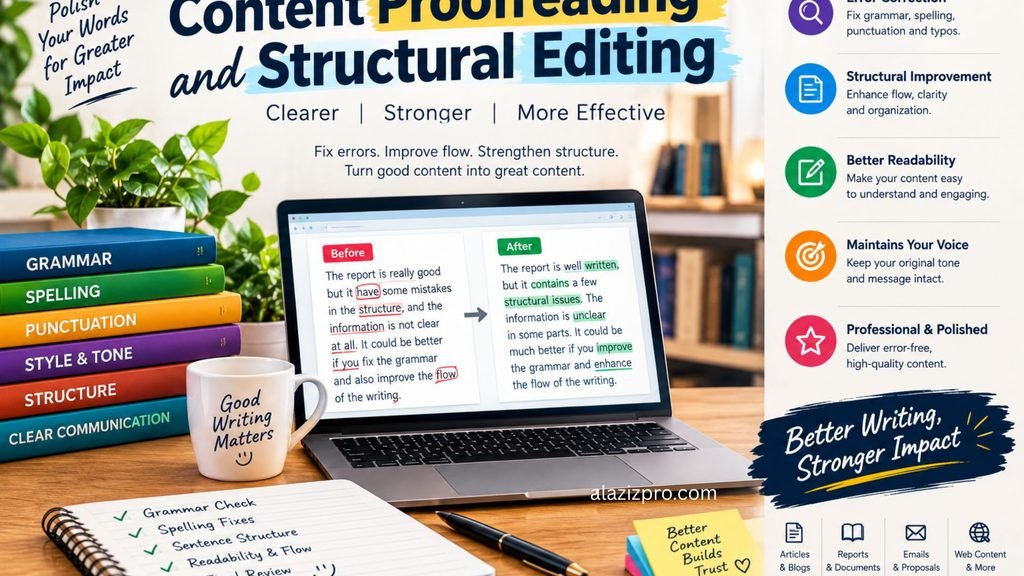
Businesses publish blog posts, email newsletters, and marketing materials constantly. However, typos, grammatical errors, and poor sentence flow can damage a brand’s credibility. Many teams lack the time to audit every written asset before hitting publish.
Proofreading involves reviewing written text to fix spelling mistakes, punctuation errors, and awkward phrasing while preserving the author’s voice.
- Where to Learn: Free online style guides like the Purdue Online Writing Lab (OWL) provide comprehensive rules on grammar and punctuation.
- How to Start: Practice by editing open-access articles or rewrite public domain texts to build a portfolio of clear before-and-after samples.
2. Basic WordPress Website Maintenance
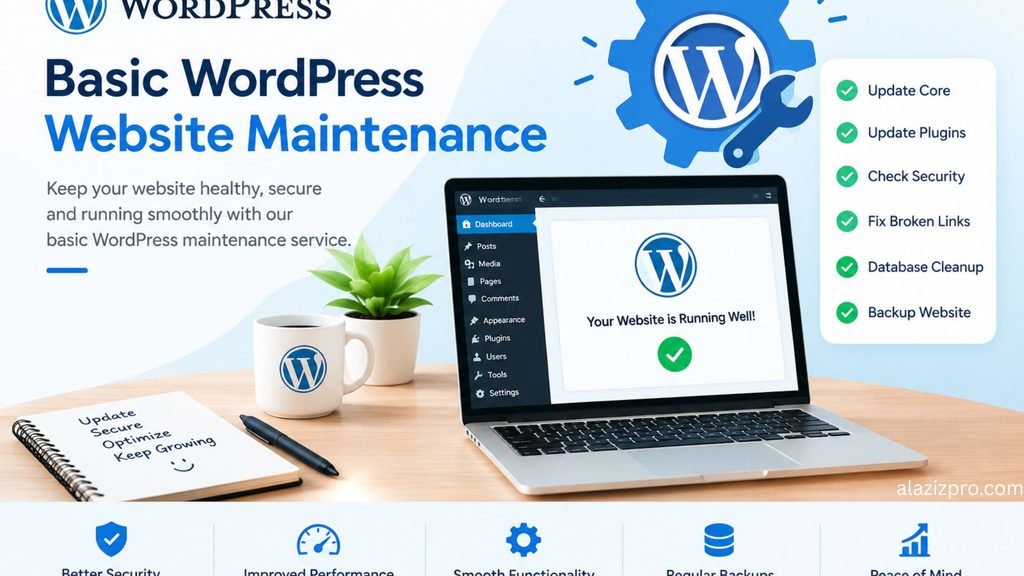
Millions of business websites run on WordPress. While setting up complex custom code requires deep technical experience, basic maintenance tasks are straightforward and highly sought after by small business owners.
Site owners routinely need help updating plugins, fixing broken links, configuring simple contact forms, organizing menu navigation, and backing up site content.
- Where to Learn: The official WordPress documentation, community support forums, and structured video walkthroughs cover all basic admin dashboard operations.
- How to Start: Set up a free local test website on your computer to practice managing plugins, updating themes, and organizing content structure.
3. Search Engine Optimization (SEO) Content Auditing
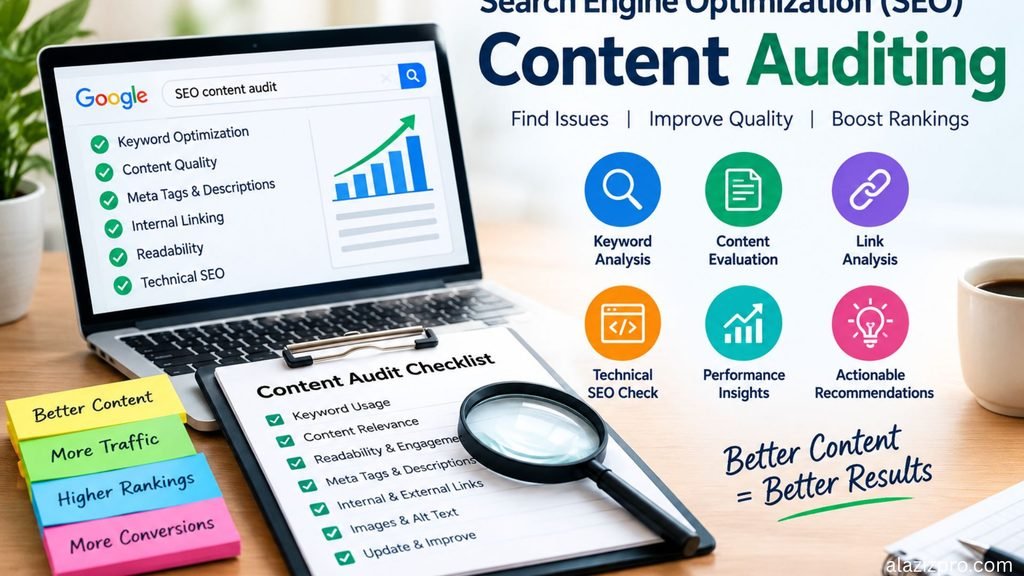
Creating content is only half the battle for online publishers; ensuring that content appears in search engine results is equally critical. Content auditing involves checking existing web pages to ensure proper heading structures, meta descriptions, image alt tags, and readable link structures.
Basic SEO auditing does not require expensive paid software. You can perform effective site checks using free tools provided directly by search platforms.
- Where to Learn: Google offers free learning modules through Google Search Central, explaining how search engines index and rank web pages.
- How to Start: Offer free basic site audits for local small business blogs, highlighting missing image tags or broken links to demonstrate your value.
4. Social Media Scheduling and Visual Layout Design
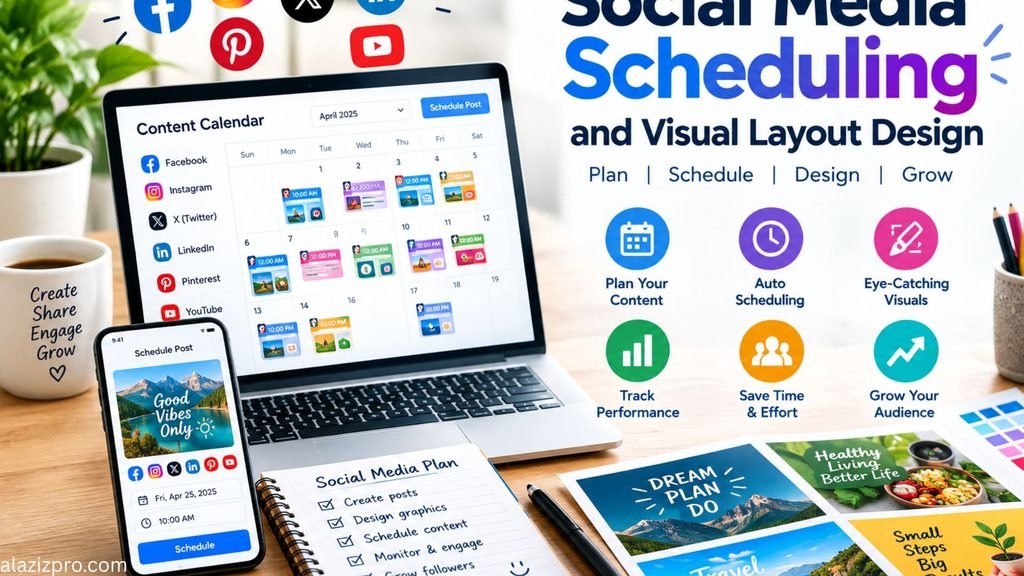
Maintaining an active online presence across multiple platforms requires continuous planning and organization. Small business owners often struggle to keep up with consistent posting schedules and clean visual formatting.
As a social media coordinator, your role is to organize content calendars, format images using free visual editors, and schedule posts using native platform scheduling tools.
- Where to Learn: Platform-specific help centers explain native scheduling features, while free graphic tools offer simple tutorials on layout design.
- How to Start: Design sample weekly social media calendars for fictional businesses to showcase your organizational and visual design capabilities.
5. Data Scraping and Spreadsheet Organization
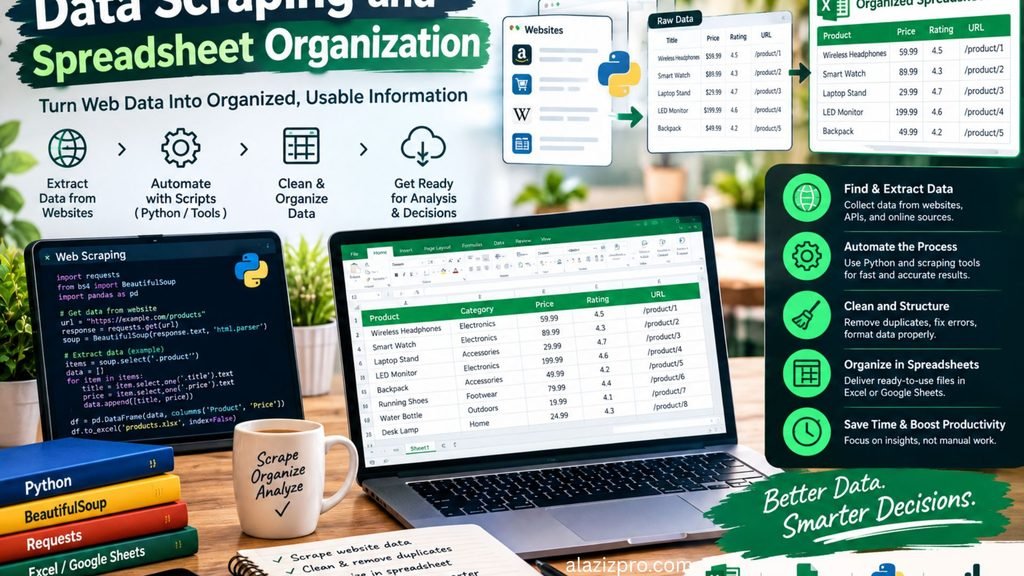
Companies frequently need organized lists of public business contact details, market pricing data, or real estate listings gathered into clean spreadsheets for sales outreach. Manually collecting and cleaning this data takes hours of repetitive work.
Data collection specialists use free browser extensions and spreadsheet formulas to extract, clean, format, and organize public information into structured tables.
- Where to Learn: Free spreadsheet tutorials cover essential functions like data deduplication, text splitting, basic formulas, and data validation rules.
- How to Start: Practice building structured lead lists from public business directories to demonstrate clean, organized data deliverables.
Final Summary
Building a successful freelance path is about solving real, everyday problems for clients. You do not need expensive software subscriptions or paid masterclasses to begin. By mastering a specific practical skill through free learning materials and delivering reliable work, you can establish a strong professional reputation and secure steady freelance projects.
Thats good to know, amazing skills